


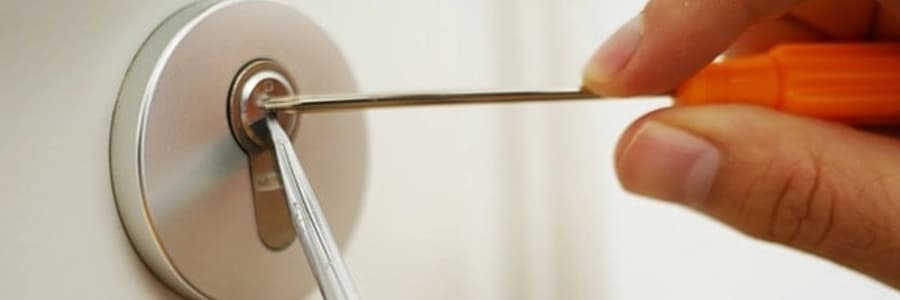
How to Unlock a Door Without a Key: Safe Next Steps
Locked out without a key? Follow safe, lawful steps for checking authorized access, arranging owner verification, and choosing professional locksmith help without damaging the door.

Being locked out of a home or other property is frustrating, especially when the key is lost, left inside, or no longer works. This guide answers common searches such as “how to unlock a door without a key” and “how to get in a locked door” with safe, lawful next steps. It does not explain how to defeat a lock or use improvised tools.
Start with access you are already authorized to use
If you have an authorized key, use it normally and avoid forcing the key or turning damaged hardware. Searches such as “how to open a door with a key” and “how to unlock a door with a key” still begin with confirming that the key belongs to the property and fits the lock. If the key does not work, stop and arrange help rather than experimenting with the cylinder.
Before touching the door, confirm that you are at the correct address and that you have permission to enter. Then check the options that do not involve changing or damaging the lock:
- Ask a trusted household member, property owner, or authorized manager whether a spare key is available.
- If you rent, contact the landlord, leasing office, or building manager and ask about the approved lockout process.
- If the door uses a keypad or smart lock, check the manufacturer’s normal battery, code, or account-recovery guidance instead of experimenting with the hardware.
- If a child, vulnerable person, medical situation, fire, or another immediate hazard is inside, call 911 and follow the dispatcher’s instructions.
People searching for “how to open a front door without a key” often need a way to regain lawful access, not a lesson in manipulating door hardware. A spare key, an authorized property contact, or a verified professional is the better path.
If the key is lost, stolen, or locked inside
Whether the door is jammed, a screen door is involved, or a knob or lower lock will not open, do not force the hardware or insert improvised tools. Confirm the property and contact the owner, manager, or a professional locksmith. If a key was lost, a locksmith can discuss lawful access, rekeying, or replacement after verification.
Treat a missing key as a security issue as well as a lockout. If the key may be in someone else’s hands, ask the property owner or locksmith whether the cylinder should be rekeyed or replaced after access is restored. If the key is simply inside, tell the technician or property manager that detail so they can recommend the least disruptive service.
Do not force the handle, push random objects into the lock, or remove hardware without understanding the door and lock assembly. Those actions can damage the cylinder, latch, door, or frame and may leave the property less secure.
Professional locksmith entry: what to expect
When no authorized spare or property contact is available, contact a professional locksmith and explain the situation clearly. Share the service address privately, describe whether the door is residential or commercial, and mention any visible damage or unusual symptoms. The information helps the technician prepare without requiring you to experiment with the lock.
A legitimate locksmith may ask for government-issued identification, a lease, property records, vehicle registration, or another form of owner or occupant verification. If your documents are inside, explain that before service begins and ask which alternatives are accepted. Avoid sending sensitive documents through an unverified phone number, social account, or email address.
Before work starts, ask for a clear estimate and what it includes. A professional should explain the available service, identify any parts that may need replacement, and let you approve the work. Keep the invoice and note the lock model or replacement details for future maintenance.
After the door opens
Check that the key, latch, bolt, strike plate, and door frame operate smoothly. If the key was lost, ask about rekeying or replacement rather than relying on the old key. If the lock feels stiff, loose, or inconsistent, arrange an inspection before the problem becomes another lockout.
It also helps to make a controlled spare-key plan. Give a spare only to someone you trust, use an appropriate lockbox if the property owner approves, and keep a record of who can access it. For a rental or shared building, follow the property’s rules.
Common questions about opening a locked door
How can I open a door without a key?
Use an authorized spare, contact the property owner or manager, or arrange a professional locksmith visit. Avoid improvised entry attempts that can damage the lock or create a security problem.
What should I do when I am locked out of my house?
Move to a safe place, check for an authorized person with a spare, and contact the landlord, manager, or locksmith. If someone inside faces an immediate danger, call 911 instead of waiting for routine service.
Can a locksmith help if I cannot show proof immediately?
A locksmith may need to confirm that you are authorized to enter. Explain the situation and ask what verification the technician accepts; service may need to wait until lawful access can be established.
For a closer look at the parts inside a door lock, read our guide to lock mechanisms and maintenance. For service questions, contact Okey Locksmith through the site.
Frequently Asked Questions
Use an authorized spare, contact the property owner or manager, or arrange a professional locksmith visit. Avoid improvised entry attempts that can damage the lock or door.
Arrange lawful access through a trusted key holder, property manager, or professional locksmith. If the key may be in someone else’s hands, ask about rekeying or replacing the lock after access is restored.
A locksmith may request identification, a lease, property records, or another record that connects you to the property. If those documents are inside, explain the situation and ask what alternatives are accepted.